
Search in the Age of AI
May 2026

The New Way of Searching
Many of you may have heard of SEO (Search Engine Optimization). Those are the tips and tricks that everyone uses to try and get noticed on the web. Everyone wants to rank high… GEO is the new kid on the block that does the same thing for AI searches.
Generative Engine Optimization (GEO)
Generative Engine Optimization (GEO) is the practice of optimizing content so that AI systems such as ChatGPT, Google Gemini, and Perplexity can easily access, understand, and cite a website’s content as a source when generating answers. As AI-powered search increasingly replaces traditional search engine results pages, GEO has become an essential complement to SEO. While SEO focuses on ranking in search results, GEO focuses on being referenced and cited within AI-generated responses. A site with strong GEO practices is more likely to be surfaced as a trusted source, increasing brand visibility even in zero-click scenarios where users never visit the site directly.


LLMS.Txt
The llms.txt file helps agents organize the content found on a site and provide general information about who is behind the site, what can be found on the site, and where it is located. The llms.txt file is written using standard markdown language and stored in the root of a site; akin to a robots.txt file for search engines. Just like robots,txt, the llms.txt file can serve as a method of guiding agents to the most appropriate information you would like for them to absorb. The file consists of project / site name, a blockquote summary of the site, and organized links to key content of interest. There are additional features and sections that can be added to the markdown, but due to the format still evolving; there is no single llms.txt standard yet.
Schema
A schema is a standardized, open-source representation or template of a site’s data. Schemas were intended to provide a unified way to represent common data types. A schema defines the organization and rules for data types based on the type of content it represents. A schema dictates: Structure (What fields or properties data should contain), Data types (What kind of information each field holds ie: text, numbers, dates …etc.), Constraints (What values are allowed. Ie: required fields, minimum/ maximum values …etc), Relationships (How a given field should be connected to other fields). The concepts and ideas behind schemas were begun by Google, Microsoft, Yahoo and Yandex.
Websites can vary wildly from page to page. Differing page layouts can present content in an infinite number of potential locations.The most pertinent information can be buried anywhere in a pages’ DOM structure. By leveraging schemas throughout the site, you can ensure that agents know how to interact with the content. An agent can skip parsing messy HTML and read the structured data directly. Fields like name, price, availability, and brand are explicitly labeled and machine-readable in the schema, so the agent extracts reliable, normalized values in one step. This lets it confidently answer questions, compare products across sites using the same schema, or pass clean data to other tasks. The schema acts as a trusted interface or contract between the page and the agent, eliminating guesswork and reducing extraction errors.
Schemas can be added to a site through a script tag containing a json representation of the structured data: JSON-LD (JSON Linked Data) or by adding attributes to existing HTML tags: Microdata and RDFa. JSON-LD is the preferred method for many sites, however adding Microdata and RDFa may be easier to implement in certain cases. Most languages have dedicated libraries or support for each method.

The Agents Most Important Page
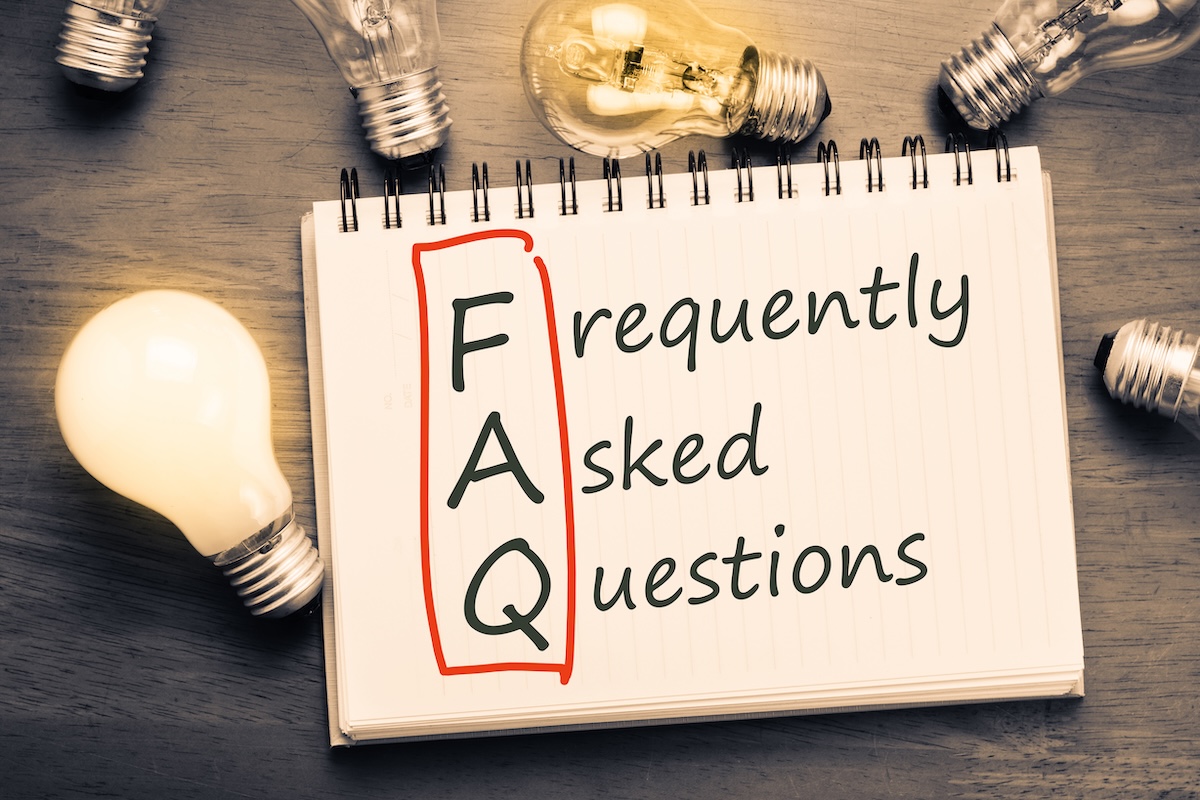
A site’s FAQ page is valuable to AI agents because they can scan the most commonly asked questions and answers in one place, in a format that directly matches how a user would query agents. Instead of navigating through multiple pages to piece together information, an agent can find clear answers to specific questions and gain nuanced details like return policies, shipping, or compatibility straight from the business itself. When marked up with the FAQPage schema, question / answer pairs become easily readable by agents and let agents extract reliable information without parsing guesswork. This makes FAQ pages a trusted, efficient shortcut for agents to deliver accurate answers while reducing navigation, token usage, and the risk of misinformation.
It’s Not What you Say, It’s How You Say It
While it may be counterintuitive at first, AI Agents prefer that content be written in a very direct manner. Pages, paragraphs or answers should lead with the direct answer. AI agents extract the first few sentences of content as an answer or as a potential snippet, so the answer must open with a standalone statement that can be explained to an user. An answer within 50 to 60 words per question near the top is recommended.


E-E-A-T
E-E-A-T stands for Experience, Expertise, Authoritativeness and Trustworthiness. Originally developed by Google as part of its Search Quality Evaluator Guidelines, E-E-A-T has become a key framework that AI systems use when evaluating whether content is worth citing or surfacing in a generated response. When an agent examines a site’s content, it determines a score for the content based on those factors.
Each component plays a distinct role: Experience refers to firsthand, real-world knowledge of a topic. Content written by someone who has actually used a product, performed a service, or lived through a situation is weighted more heavily than content that appears purely theoretical. Expertise reflects the depth of knowledge demonstrated in the content. Well-researched, detailed, and accurate writing signals to AI systems that the author understands the subject matter at a professional or specialist level. Authoritativeness is about reputation and recognition within a given field. Being cited by other reputable sources, having a strong profile, and maintaining a consistent publishing presence all contribute to how authoritative a site appears. Trustworthiness is the broadest of the four factors and underpins the others. It includes transparency about authorship, accurate and up-to-date information, clear sourcing, secure site infrastructure, and honest business practices.
Sites can improve their E-E-A-T by including detailed author bios with credentials, citing reputable external sources, keeping content current, and earning mentions or links from established publications in their field. Having a high E-E-A-T scoring will generally lead to the content being promoted more often and AI citing the author’s words and ideas when it generates answers.
Conclusion
As AI-powered search continues to reshape how users find and consume information, GEO is no longer optional; it’s a necessary evolution of any modern content strategy. By combining technical updates like structured schema and llms.txt with authoritative, well-structured content and strong E-E-A-T, sites position themselves to be trusted sources that AI systems return to repeatedly. The brands that invest in GEO today are building visibility that compounds over time, reaching audiences even before a single click is made.



 10400 Connecticut Ave #411
Kensington, MD 20895
10400 Connecticut Ave #411
Kensington, MD 20895